
Bathroom Renovation Quote Checklist in 10 Steps
July 22, 2026
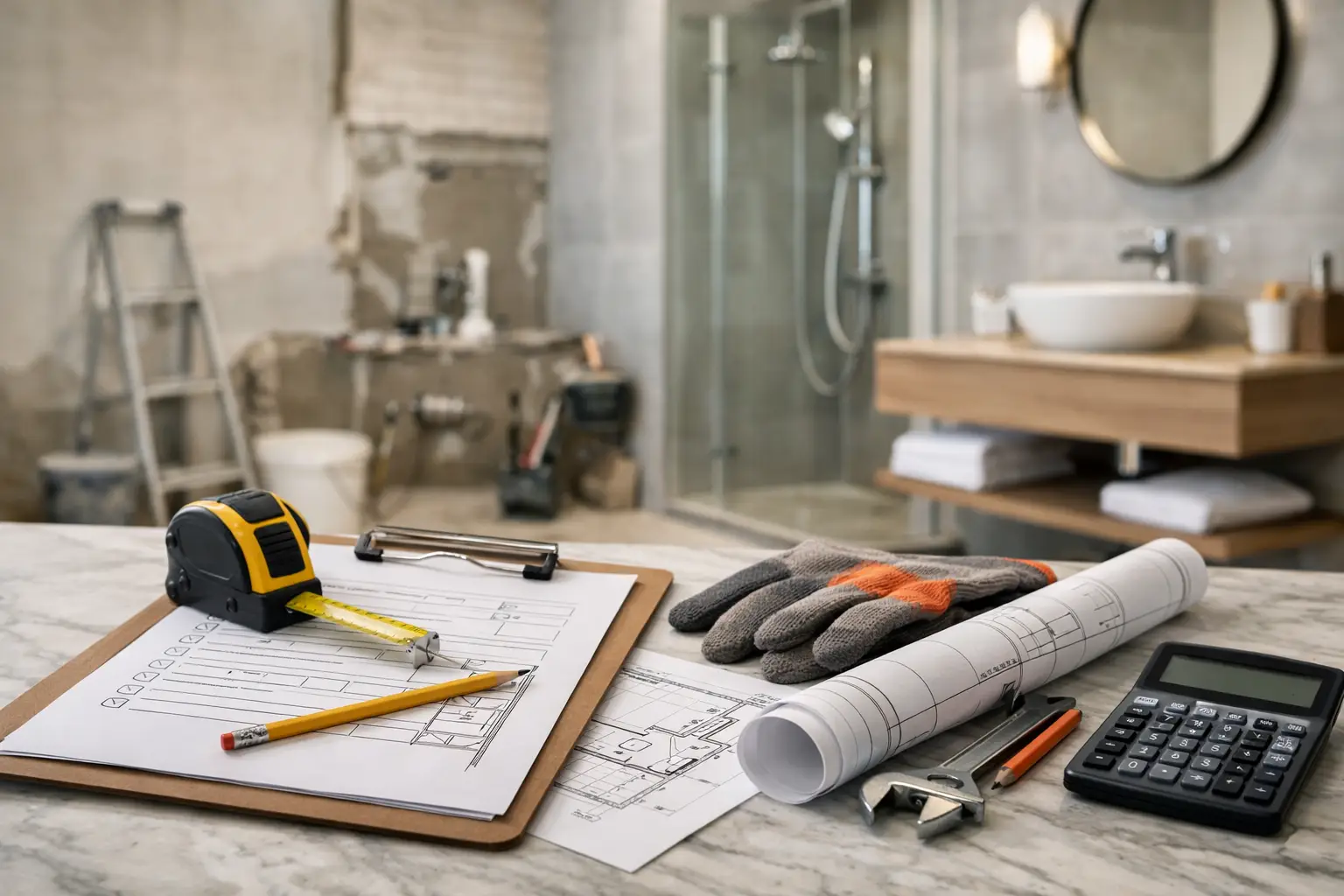
A low bathroom quote can look like a win until demolition starts and the contractor says the tile, vanity, permit, or plumbing repair was never included. A bathroom renovation quote checklist gives you a clear way to compare proposals before you commit, so you are choosing the right scope of work, not simply the lowest number.
Bathrooms are compact, but they involve several trades in a small space: demolition, plumbing, electrical, waterproofing, tile, cabinetry, ventilation, painting, and finish installation. A proposal that leaves any of those areas vague can make an affordable project expensive later. Ask each contractor to price the same project description, then review the details line by line.
Bathroom Renovation Quote Checklist: Start With the Scope
A quote should explain exactly what the contractor plans to do. “Renovate hall bathroom” is not a scope. It is a broad label that can mean anything from replacing a vanity and toilet to moving plumbing, rebuilding the shower, and opening walls to repair hidden damage.
Confirm whether the proposal includes demolition, debris removal, surface protection, and daily cleanup. If the bathroom is the only one in the home, ask how the contractor will manage the downtime and whether the toilet will be unavailable at any point. For a rental property or commercial restroom, clarify access hours, occupant notices, and whether work must happen after business hours.
Then look at what stays and what goes. Is the existing tub remaining? Are walls being opened? Is the contractor relocating the toilet, shower valve, or vanity plumbing? Small wording differences matter. Keeping plumbing in place is often less expensive than moving it, but it may limit your layout options.
Check the 10 Details That Change the Price
Use the following checklist to compare proposals side by side. If one contractor has not addressed an item, ask for clarification in writing rather than assuming it is included.
- Demolition and disposal. The quote should identify what will be removed, where debris will go, and whether hauling and disposal fees are included. Older homes may also require separate testing or handling for materials such as asbestos-containing flooring or lead-based paint.
- Plumbing work. Confirm the number and type of fixtures included, such as a new shower valve, toilet connection, vanity faucet, tub drain, and shutoff valves. Ask whether the price covers moving supply or drain lines, repairing corroded pipes discovered in the wall, and bringing plumbing work up to current code.
- Electrical and ventilation. A complete bathroom quote should address outlets, GFCI protection, lighting, switches, exhaust fans, and any new circuits. A fan is not just a finishing touch. Proper ventilation helps protect paint, drywall, grout, and framing from repeated moisture exposure.
- Waterproofing and substrate. Tile is decorative; waterproofing protects the structure behind it. Look for a clear description of shower-pan construction, wall waterproofing, backer board, floor preparation, and any required leveling. If a proposal simply says “install tile,” ask what system is being used beneath it.
- Tile installation. Compare the square footage, tile locations, pattern, grout, trim, niches, and edge details. Large-format tile, herringbone layouts, shower niches, mosaic floors, and custom bench work can add labor even when the material itself is already selected.
- Fixtures, finishes, and allowances. Quotes often use allowances for products you have not chosen yet. An allowance is a budget placeholder, not a guaranteed final price. Check the dollar amount assigned to the vanity, countertop, toilet, faucet, tile, mirror, lights, and shower glass. If your preferred products cost more, you pay the difference.
- Cabinetry, countertop, and glass. Determine whether the contractor is supplying and installing these items or only installing owner-purchased materials. Custom vanities and tempered shower glass often have longer lead times than standard fixtures. A quote should state who measures, orders, receives, stores, and inspects them.
- Permits and inspections. Ask whether permits are required in your municipality and who is responsible for pulling them. The permit fee may be separate from the contractor’s labor price, but the quote should make that clear. Skipping a required permit can create problems during a future sale, insurance claim, or inspection.
- Schedule and start date. A contractor may estimate a project will take two weeks, but that is different from guaranteeing a start date. Review the expected start window, working days, milestone sequence, material lead times, and what could delay the work. Custom products, inspection schedules, and hidden water damage are common variables.
- Payment terms and change orders. The payment schedule should tie to real progress, such as demolition completion, rough plumbing and electrical, tile installation, and final completion. It should also explain how changes are approved and priced. Avoid relying on verbal agreements when you decide to add a niche, change tile, or repair an unexpected issue.
Compare Apples to Apples, Not Just Totals
Put each estimate into a simple comparison table or project folder. List the contractor, total price, allowance amounts, excluded items, expected duration, start window, warranty, and payment schedule. This quickly shows why one bid is lower.
For example, Contractor A may quote $18,000 and Contractor B may quote $21,000. At first glance, the difference is $3,000. But if Contractor A excludes shower glass, permits, painting, and waterproofing while Contractor B includes them, the higher proposal may be the more predictable and responsible choice.
The goal is not to force every contractor into identical methods. Pros may recommend different approaches based on the existing condition of the bathroom, local code, or your design goals. The goal is to understand those differences before work begins.
Watch for Vague Exclusions
Some exclusions are reasonable. No contractor can fully predict concealed damage before opening walls, especially in an older bathroom. What matters is whether the proposal identifies that uncertainty and explains the process if a problem is found.
Be cautious with phrases such as “as needed,” “standard installation,” or “materials by owner” when they are not defined. Ask what standard installation includes, which materials you are responsible for purchasing, and whether the contractor will charge additional labor to install products that arrive damaged, late, or incomplete.
A reliable proposal does not pretend every unknown can be priced perfectly. It gives you a clear baseline and a documented path for handling the unknowns.
Ask Questions Before You Accept a Proposal
Before selecting a contractor, ask who will supervise the work each day and whether employees or subcontractors will complete the plumbing, electrical, tile, and glass installation. Confirm that the contractor is properly licensed and insured for the work in your area, and request details about workmanship warranties.
You should also ask how communication will work. Will you receive updates by text, email, or a project portal? Who approves changes? How quickly should you expect answers when a decision is needed? Bathroom projects move quickly after demolition, and delayed fixture selections can affect the schedule.
With Getstimate, you can describe the project once, include photos and plans when needed, and compare local contractor proposals before sharing your full contact information or hiring anyone. That structure helps keep conversations focused on the scope, budget range, and timeline instead of leaving you to sort through scattered calls and incomplete estimates.
Keep the Final Quote With Your Project Records
Once you choose a contractor, save the signed proposal, specifications, product selections, permit records, invoices, progress photos, and approved change orders in one place. These documents protect both sides of the agreement and make future maintenance, warranty requests, or property sales easier to manage.
A bathroom renovation should feel carefully planned before it feels exciting. The right proposal gives you more than a price: it shows how the contractor thinks, what they are accountable for, and whether you can move forward with confidence.