
How to Protect Homeowner Privacy During Repairs
September 2, 2026
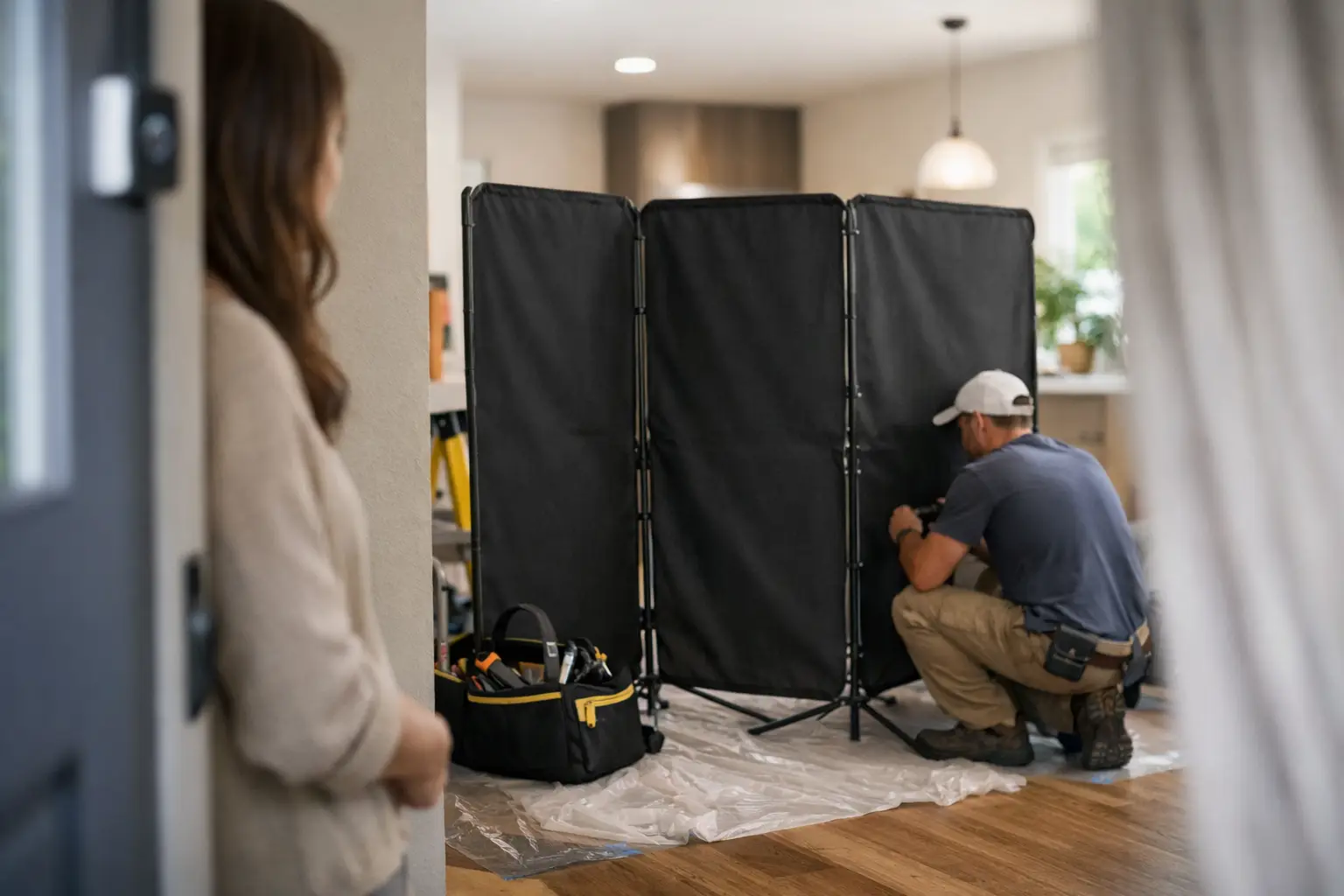
A kitchen remodel request can reveal more than you intend: your address, daily schedule, property layout, budget, phone number, and photos of the inside of your home. Knowing how to protect homeowner privacy lets you compare qualified professionals without turning one project inquiry into weeks of unwanted calls, texts, and emails.
Privacy does not mean making it impossible for a contractor to understand the work. Good estimates require useful project details. The goal is to share the scope, condition, measurements, timeline, and relevant documents while controlling who receives your identifying information and when.
How to Protect Homeowner Privacy Before You Request Estimates
Start by separating the information needed to price the project from the information that identifies or exposes you. A contractor bidding on a roof replacement needs roof dimensions, material preferences, visible damage, access constraints, and your desired start window. They do not need your full name, personal email, mobile number, or an open invitation to visit the property before they have shown they are a serious fit.
When you write your request, describe the work once and make the scope specific. Include the type of repair or upgrade, approximate size, desired materials, known issues, budget range if you are comfortable sharing it, and timing. Clear details reduce back-and-forth questions and help local professionals submit proposals that are easier to compare.
Use a project-first contact process whenever possible. In a privacy-first marketplace such as Getstimate, contractors can review the project scope and communicate through the platform before you choose a proposal. Your name, email address, and phone number remain private until you decide to move forward with a contractor. That gives you room to evaluate responsiveness and pricing without giving every bidder direct access to you.
Be cautious with public posts and broad lead forms. Some services distribute a request to multiple companies immediately, which can be useful when speed matters but may also result in repeated outreach from businesses you did not select. Before submitting, look for a plain explanation of who sees your contact details, how many professionals may receive them, and whether you can communicate without revealing your direct information.
Share location carefully
An accurate location affects labor availability, permit requirements, travel time, material pricing, and the feasibility of an in-person visit. For early pricing, however, a city, ZIP code, neighborhood, or general service area may be enough. The right level depends on the project.
A contractor quoting a whole-home addition or structural repair may eventually need the exact address, surveys, and plans. A painter, landscaper, or handyman may be able to provide a preliminary range from a clear description and photos. Share the complete address when it is necessary to validate the proposal or schedule a visit with a professional you are seriously considering, not simply because a generic form asks for it.
Protect Photos, Plans, and Property Details
Photos and plan sets lead to better estimates, especially for kitchens, bathrooms, additions, decks, structural work, and commercial build-outs. They can also unintentionally show family photos, security equipment, house numbers, vehicle plates, valuables, alarm panels, mail, or documents with personal information.
Before uploading images, take a quick review pass. Crop out house numbers and family identifiers. Remove photos that show alarm keypads, camera placement, safe locations, computer screens, medication labels, or paperwork. If a photo includes a personal document or a child, use another angle. You can usually show the condition of a wall, roof, window opening, or electrical panel without documenting your household.
PDF plans deserve the same attention. Architectural drawings often include the property address, owner name, phone number, email address, and title-block details. For a competitive bid, contractors may need dimensions, elevations, specifications, and room layouts, but they may not need every identifying field at the first review stage. Ask whether you can upload a redacted plan set for initial proposals and provide complete documents after narrowing the field.
Do not remove information that affects safety or price. A plan note about a load-bearing wall, flood zone, utility easement, or required fire rating is relevant. Privacy works best when it is selective, not when it makes the project impossible to assess accurately.
Keep Contractor Communication in One Controlled Place
Once proposals arrive, compare more than the total price. Look at what each contractor says is included, exclusions, material allowances, timeline, start date, permit responsibilities, warranty terms, and payment schedule. Centralized communication helps because your questions and the answers stay connected to the same scope rather than disappearing into separate text threads.
Ask bidders to clarify major differences in writing. If one proposal includes demolition, disposal, permits, and finish work while another lists only labor, the lower number may not be comparable. You can gather this information without sharing a personal phone number or agreeing to a site visit from every company.
Keep communications professional and project-specific. Avoid sending copies of utility bills, insurance declarations, identification documents, loan paperwork, or account information during the estimate stage. A legitimate contractor may need certain documents later for permits, insurance claims, financing, or payment processing. The timing matters. Provide sensitive records only after verifying the company, agreeing on the work, and understanding why the document is needed.
Watch for pressure to move off-platform
Some contractors prefer phone calls, and a call can be productive once you have identified a strong candidate. Still, be wary when a bidder immediately asks you to move to personal text messages, requests payment before an agreement exists, or refuses to put scope details in writing.
A reasonable process has clear stages: review the scope, answer questions, compare proposals, select a professional, then exchange direct contact information and schedule the next steps. If a contractor cannot respect that sequence, it is useful information about how they may handle the project itself.
Control Access to Your Home During Site Visits
For many projects, an in-person walkthrough is necessary. It is how a professional confirms measurements, identifies hidden conditions, checks access, and turns an early estimate into a dependable proposal. Privacy at this stage is less about refusing access and more about setting practical boundaries.
Schedule visits when you can be present, or have a trusted representative attend. Confirm the company name and the person arriving before opening the door. If you are comparing several contractors, group appointments into a limited time period rather than sharing an open-ended availability calendar.
You can keep the walkthrough focused. Show the affected rooms, exterior area, basement, attic, mechanical space, or commercial area that relates to the work. There is no need to provide a full tour of the home. Secure valuables, personal files, spare keys, and prescription medication beforehand, particularly when crews will be moving through multiple rooms.
For exterior projects, tell contractors where they may park, which gate to use, and whether pets, tenants, children, or shared driveways create access restrictions. These details improve planning without requiring you to disclose more about your household than the job demands.
Use a Clear Information Checklist Before Hiring
Before accepting a proposal, confirm that your privacy expectations match the contractor's workflow. The following checks are especially useful for repair, renovation, and larger construction projects:
- Confirm which contact details will be shared and at what point in the selection process.
- Ask where photos, plans, messages, invoices, and change orders will be stored.
- Verify who from the company, including subcontractors, may access the property and project documents.
- Keep payment details out of texts and emails when a secure payment method is available.
- Request written notice before unexpected site visits, material deliveries, or subcontractor scheduling changes.
These steps are not about treating every professional with suspicion. Vetted, reputable contractors expect homeowners to ask practical questions about documentation, access, and communication. Clear expectations protect both sides from misunderstandings.
Privacy Continues After You Select a Contractor
Choosing a contractor is the point where direct contact becomes necessary, but it should not mean losing control. Use a dedicated project portal or organized written record for schedules, progress photos, invoices, approvals, and change orders. It gives you a clear history if a question arises about what was approved, when work was completed, or why the price changed.
Set communication preferences early. Decide who can approve changes, what method should be used for urgent issues, and whether photos of the completed project may be used in the contractor's marketing. If you do not want your home featured online, say so in writing. A contractor may be proud of the work, but your property is not a portfolio without your permission.
For occupied homes, discuss access rules before work begins. That can include which doors crews use, whether workers can enter when no one is home, how keys or codes are handled, where materials are stored, and who locks up at the end of the day. On commercial properties, add rules for tenant areas, restricted rooms, visitor check-in, and after-hours access.
Your project deserves enough detail to earn accurate proposals, not so much exposure that you lose control of your home and inbox. Start with the scope, compare professionals on clear terms, and share personal information as the relationship earns it.