
Roof Replacement Estimate Checklist for Homeowners
July 23, 2026
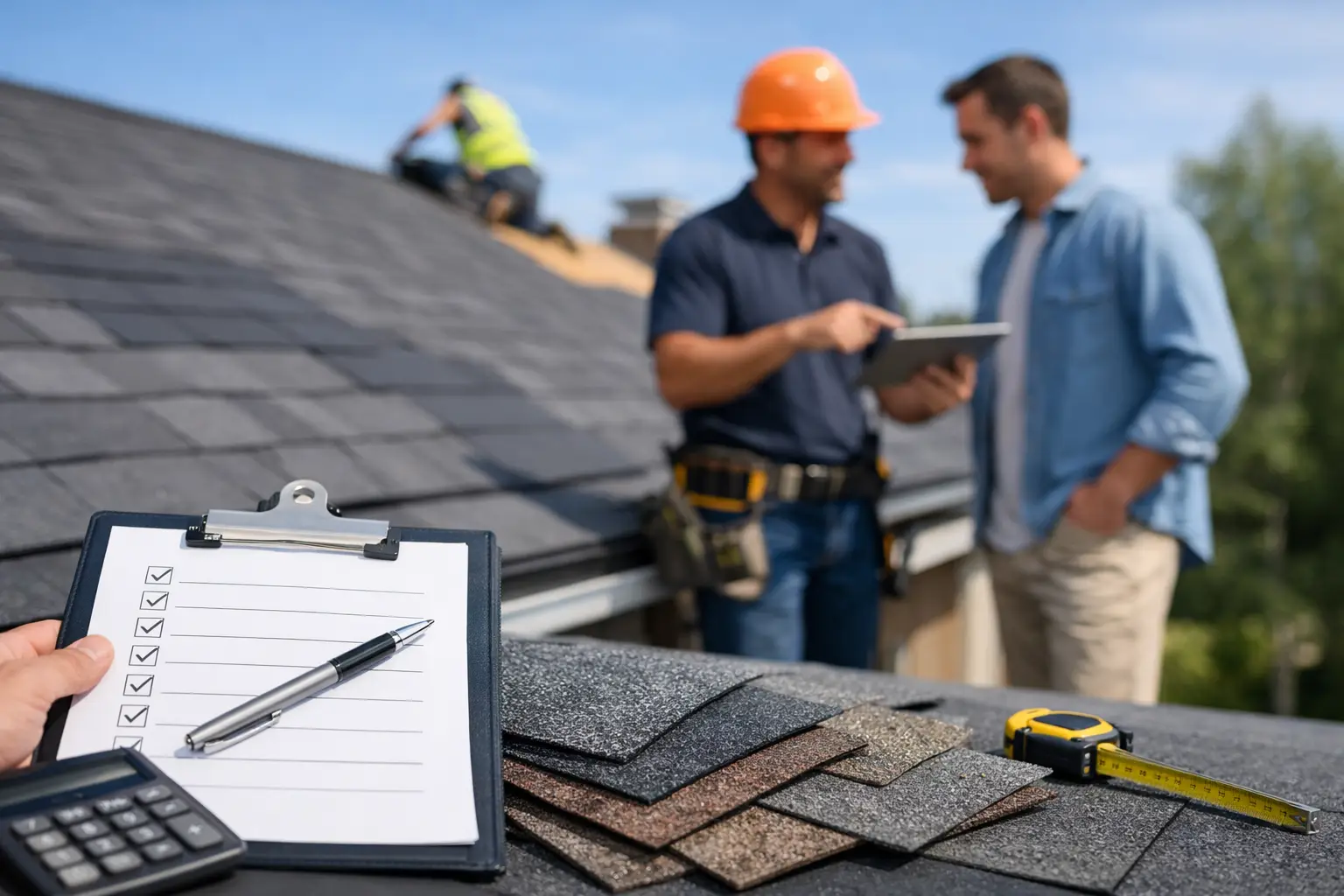
A low roofing number can look like a win until the crew arrives and tells you rotten decking, flashing, permit fees, or disposal were never included. A good roof replacement estimate checklist helps you compare what each contractor is actually proposing, not just the total at the bottom of the page.
Roof replacement is a high-stakes exterior project. It protects the structure, insulation, interior finishes, and everything inside your home or building. Whether you are replacing an aging asphalt roof, addressing storm damage, or preparing an investment property for sale, the right estimate should make the scope clear before materials are ordered or work begins.
Start With the Same Project Scope
You can only compare estimates fairly when contractors are pricing the same information. Before requesting proposals, document the roof type, approximate age, visible leaks, known damage, desired materials, and any related work you expect, such as gutter replacement or skylight repairs. Photos of roof slopes, valleys, chimneys, vents, interior ceiling stains, and damaged areas give contractors a more reliable starting point.
For a commercial property, include roof access limitations, operating hours, tenant considerations, drainage concerns, HVAC equipment, and any available plans or prior inspection reports. A flat or low-slope commercial roof may require a much more detailed specification than a typical residential shingle replacement.
The goal is simple: describe the work once, then ask each professional to price that scope. If one estimate assumes architectural shingles and another includes a premium impact-resistant product, the totals are not directly comparable. The same is true when one contractor has included new flashing or deck repairs and another has not.
Roof Replacement Estimate Checklist: What to Verify
An estimate does not need to be filled with confusing construction language. It does need to answer the practical questions that affect your price, schedule, protection, and finished result. Review each proposal for these items:
- Roof measurement and material quantity. Look for the estimated roof area, often measured in squares, plus the number of shingle bundles, underlayment rolls, or membrane materials included. Major differences may indicate different measurements or waste assumptions.
- Tear-off and disposal. Confirm whether the contractor will remove the existing roofing system, how many layers are included, and whether hauling and landfill charges are part of the price. Installing over an old roof may cost less upfront, but it can hide damaged decking and may not be allowed by local code.
- Decking inspection and replacement allowance. Most contractors cannot confirm the condition of roof decking until old materials are removed. The estimate should explain the per-sheet or per-square-foot cost for replacement wood and whether any amount is included in the base price.
- Underlayment, ice and water protection, and ventilation. These components may not be visible after installation, but they strongly affect roof performance. The proposal should identify where leak barriers will be installed and whether ridge vents, intake vents, or other ventilation improvements are included.
- Flashing and penetrations. Chimneys, walls, valleys, skylights, pipes, and roof-mounted equipment are common leak points. Check whether the contractor is replacing or reusing flashing, and ask how they will address existing problem areas.
- Materials and installation method. The estimate should name the shingle, tile, metal, or membrane product line, color, manufacturer, and expected system components. If you have a preference, make sure it appears in writing rather than relying on a verbal conversation.
- Permits, code requirements, and inspections. Verify who will obtain permits, pay associated fees, coordinate inspections, and address required upgrades. Local rules vary, and code-driven additions can change the project cost.
- Cleanup and property protection. Ask how the crew will protect landscaping, siding, driveways, attic spaces, and outdoor equipment. The proposal should also state how nails and debris will be collected after the work is complete.
These details make an estimate useful. A one-line quote may be fast, but it leaves too much room for assumptions when the roof is already torn off.
Compare the Total Price With the Price Structure
A complete roof replacement price is not always the cheapest price. It may include higher-grade materials, a full tear-off, new flashing, more extensive protection at eaves and valleys, or a realistic allowance for difficult access. It may also reflect licensed labor, insurance coverage, and a crew that can schedule the work promptly.
That does not mean the highest proposal is automatically the best choice. Look for a clear connection between cost and scope. If one estimate is significantly lower, ask what is excluded. If one is significantly higher, ask which materials, labor steps, or warranty coverage justify the difference.
Pay attention to allowances and change-order language. Decking replacement is a common legitimate variable, but the unit price should be stated before work begins. The same applies to unexpected structural repairs, chimney work, fascia replacement, or code upgrades. You should know how changes will be documented, approved, and billed.
For insurance-related roof work, separate the contractor's proposal from the insurer's claim documents. An insurance scope may not capture every needed improvement, and a contractor should not promise coverage that has not been approved. Ask the contractor to explain the gap between the claim scope and the proposed work in plain language.
Check Timeline, Crew Access, and Payment Terms
A roof replacement can take one day for a straightforward home, several days for a larger or more complex roof, and longer when weather or material availability interferes. Your estimate should identify an expected start window, approximate duration, and any conditions that could move the schedule.
Ask what happens if rain arrives after tear-off, how the contractor secures the roof overnight, and whether there is a dedicated project contact during installation. For occupied commercial sites, confirm how noise, parking, deliveries, safety zones, and business access will be managed.
Review payment terms just as closely as the total. A reasonable deposit structure may be appropriate, particularly when special-order materials are involved, but the payment schedule should be clear and tied to real project milestones. Be cautious if the proposal demands the full amount before materials arrive or work starts.
Review Credentials and Warranties Without Assumptions
A proposal should identify the business responsible for the work, along with applicable licensing, insurance, and warranty information. Ask for proof of general liability and workers' compensation coverage where required. If subcontractors will be used, ask who supervises them and who is responsible for the final workmanship.
Warranties deserve a closer read. A manufacturer warranty generally covers material defects under defined conditions. A workmanship warranty covers installation issues, but its length and terms vary by contractor. Some enhanced manufacturer warranties require certified installation and specific system components. Confirm what is covered, who handles a claim, whether transfer is allowed if you sell the property, and what maintenance requirements apply.
Do not assume a long warranty eliminates every risk. Poor attic ventilation, storm damage, ponding water, tree contact, or unapproved alterations can affect coverage. A reliable contractor will explain those limits without making the process feel intimidating.
Use a Side-by-Side Proposal Review
The easiest way to evaluate roofing proposals is to place the same categories next to each other: scope, materials, tear-off, decking price, flashing, ventilation, permit responsibility, timeline, payment schedule, cleanup, and warranties. Notes from contractor conversations belong beside the written proposal, especially when someone has promised a specific repair or material upgrade.
Getstimate helps project owners request and compare proposals through one private project request, without sharing their full contact details with every contractor reviewing the job. Uploading photos and a clear description gives vetted local professionals the information they need to provide more useful estimates, while keeping your comparison process organized.
Before accepting any proposal, ask the contractor to revise unclear language. A professional should be willing to clarify what is included, what could change, and what you need to approve before additional charges are added. That conversation is not a nuisance. It is one of the best tests of how the project will be managed once the work begins.
A roof is easier to choose when the estimates tell the full story. Give each contractor the same scope, insist on written details, and select the proposal that gives you the clearest path from first tear-off to final cleanup.