
When Should Roof Be Replaced? Signs and Timing
August 15, 2026
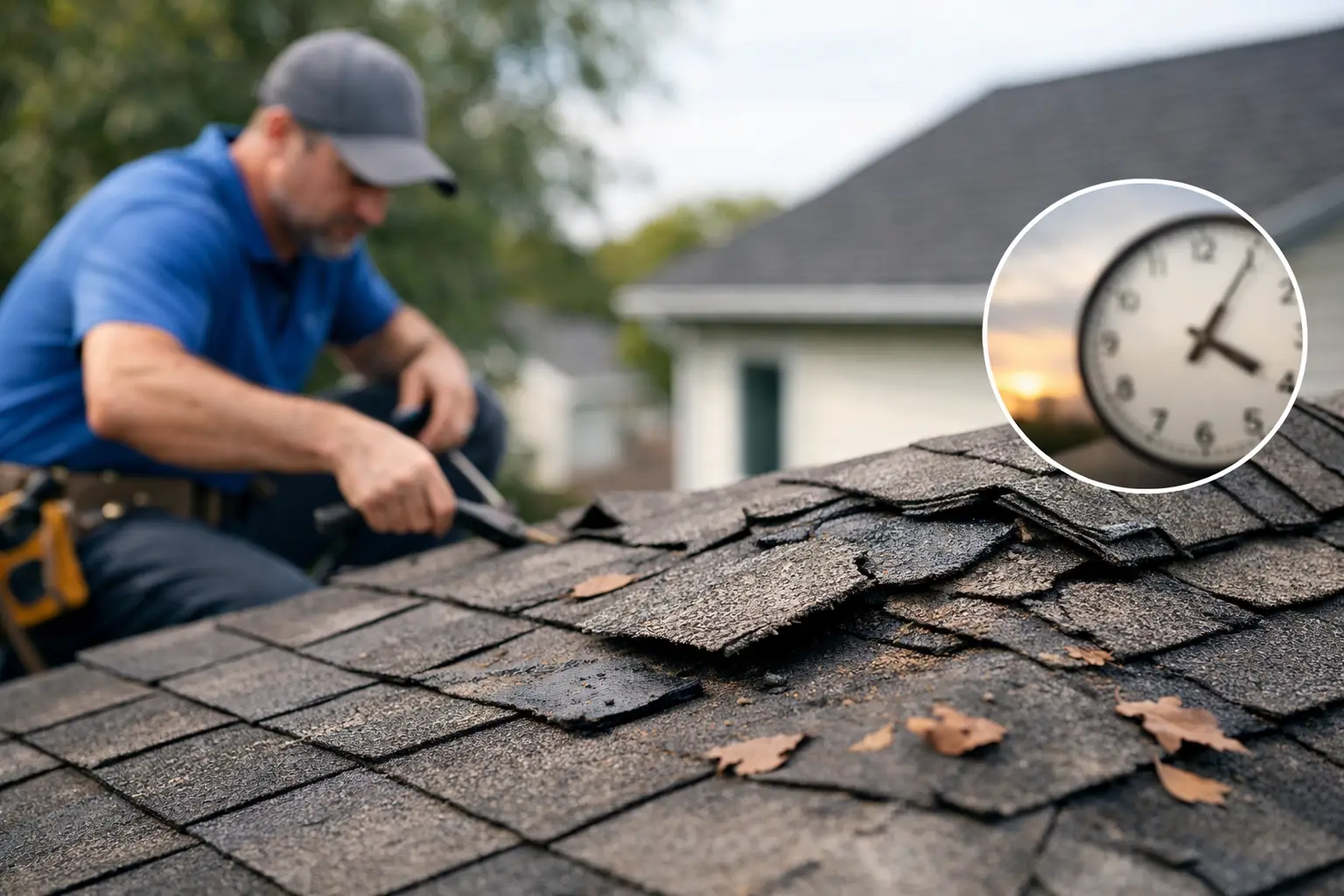
A roof rarely fails on a convenient schedule. The first clue may be a stain on a bedroom ceiling after a hard storm, a shingle in the yard, or an inspection report that says the roof is near the end of its useful life. So, when should a roof be replaced? Usually when its condition, age, and repair history show that another patch would only postpone a larger and more expensive problem.
The right decision is not always obvious from the ground. A roof can look acceptable from the driveway while moisture is entering at flashing, vents, valleys, or aging pipe boots. On the other hand, a few damaged shingles after a storm may be a focused repair, not a reason to replace the entire system. The goal is to understand the condition of the roof, define the scope clearly, and compare proposals that solve the actual problem.
When Should a Roof Be Replaced Instead of Repaired?
A repair makes sense when damage is limited, the surrounding roofing is still in good condition, and the repaired area can tie into the existing system reliably. For example, replacing a handful of wind-damaged shingles or resealing a failed vent boot can protect a roof that still has meaningful service life left.
Replacement becomes the better value when defects are widespread, leaks are recurring, or the materials are too worn to support dependable repairs. Repeated small repairs can create a false sense of savings. If each repair addresses a new symptom while the roof deck, underlayment, flashing, or shingles continue to age, the property owner may spend more over time and still carry the risk of interior water damage.
For commercial properties, the decision can be even more operational. A small leak over a storage area may be manageable, but recurring leaks above inventory, equipment, tenants, or customer-facing space can interrupt business and increase liability. A qualified roofer should assess both the roof surface and the consequences of failure below it.
The Signs That Point to Roof Replacement
The roof is at or beyond its expected age
Age is a starting point, not a verdict. Many asphalt shingle roofs last roughly 20 to 30 years, depending on the shingle grade, installation quality, attic ventilation, weather exposure, and maintenance. Wood, metal, tile, slate, and low-slope commercial systems follow different timelines and require material-specific evaluation.
If the roof is approaching its expected lifespan, an inspection is useful even if there is no active leak. This is especially true before listing a home, buying an investment property, planning solar installation, or starting exterior work such as siding, gutters, or a major addition. Coordinating scopes early can prevent finished work from being removed or damaged later.
Shingles are curling, cracking, balding, or missing
A few isolated issues may be repairable. But widespread curling, cracking, granule loss, exposed fiberglass mat, or missing shingles usually means the covering is deteriorating across the roof plane. Granules in gutters are another warning sign, although some granule shedding is normal on newer shingles.
Look beyond the shingles themselves. Rusted flashing, failing chimney counterflashing, damaged drip edge, soft spots, and deteriorated seals around roof penetrations can all allow water into the structure. A proposal should identify these details rather than simply quote a square-foot price for new shingles.
Leaks keep returning or moisture is visible indoors
A roof leak does not always drip directly below its entry point. Water can travel along framing, insulation, wiring paths, or ceiling surfaces before becoming visible. Brown ceiling stains, peeling paint, damp attic insulation, mold-like odors, or wet framing deserve prompt investigation.
One leak after a severe storm may have a clear, repairable source. Multiple leaks, leaks in different rooms, or a leak that returns after prior work are stronger signals that the system needs a more complete solution. Do not wait for visible interior damage to become severe. Moisture can affect insulation, drywall, framing, and air quality long before a ceiling opens up.
The roof deck feels soft or sags
A roofline should generally appear straight and even. Sagging areas, dips, or soft spots can indicate damaged decking, long-term moisture exposure, structural movement, or inadequate support. This is not a cosmetic issue. It calls for a prompt professional assessment, particularly if the condition is getting worse or follows a major snow, wind, or water event.
Replacement may be part of the solution, but the scope may also need deck repairs or structural work. Ask contractors to separate these items clearly. That makes it easier to compare what is included, what is contingent on tear-off findings, and what could change the final cost.
Repairs are becoming routine
There is a practical tipping point: when you are calling for roof repairs every year or two, it is time to price replacement seriously. The right comparison is not simply the cost of today's repair versus a new roof. Consider the likely next repair, possible damage to the interior, insurance deductibles, disruption, and the value of having a new warranty-backed system installed correctly.
Factors That Can Shorten a Roof's Life
Two roofs installed in the same year can age very differently. South- and west-facing slopes often receive more sun and thermal stress. Tree coverage can hold moisture against the roof and encourage moss or algae growth. Coastal air, hail, high winds, heavy snow, and dramatic temperature changes also accelerate wear.
Attic ventilation and insulation matter more than many owners realize. Excess heat and trapped moisture can shorten shingle life and contribute to condensation problems. A good roof evaluation should consider intake and exhaust ventilation, attic conditions, and whether bathroom or kitchen vents are exhausting properly to the exterior.
Past installation quality matters, too. Layering new shingles over old ones, using inadequate flashing, poor fastening patterns, or improper valley details can reduce the roof's performance even when the material itself is sound. A replacement proposal should explain whether existing roofing will be torn off, how the deck will be inspected, and which underlayment, flashing, ventilation, and cleanup steps are included.
How to Get a Clear Replacement Decision
Start with a documented inspection. Take photos of interior stains, collect repair invoices, and note when leaks occur. If you have an inspection report, insurance correspondence, or building plans, keep those available. Better project information leads to more precise proposals and fewer assumptions.
Then request estimates using the same scope wherever possible. Describe the roof type, known issues, desired timeline, and whether you want related work considered, such as gutters, skylights, chimney repairs, fascia, soffit, or attic ventilation. Photos are helpful, and commercial owners should include plan sets, roof access conditions, tenant constraints, and any required phasing.
Do not choose solely by the lowest total. Compare the roofing material and manufacturer, tear-off and disposal, deck repair allowances, underlayment, flashing, ventilation, permit responsibility, warranty terms, estimated start date, payment schedule, and exclusions. A lower proposal may omit critical components that another contractor has included.
With Getstimate, you can describe the work once and compare local contractor proposals side by side without giving every bidding contractor your phone number or email address. Keep the conversation focused on scope, timing, and price until you are ready to select a professional.
Questions to Ask Before Approving a New Roof
Ask each contractor whether replacement is necessary now or whether a targeted repair could reasonably extend the roof's life. A trustworthy answer acknowledges uncertainty where it exists and explains the evidence behind the recommendation.
You should also ask what happens if damaged decking is found after tear-off, how change orders will be documented, whether the crew is replacing flashing or reusing it, and how landscaping, driveways, and exterior features will be protected. For a commercial roof, ask about site safety, access, noise, weather contingency plans, and how business operations will be protected during the work.
Finally, confirm the proposal identifies the exact roofing system, not just a brand name. The quality of a roof depends on the complete assembly and installation details, not only the visible top layer.
A roof replacement is a significant project, but waiting for a small warning sign to become an interior emergency is rarely the lower-cost choice. Get clear documentation, compare complete scopes, and choose the repair or replacement path that protects the property for the years ahead.